
Adi Kailash Yatra Difficulty Level 2026: Can Beginners Do It? Complete Guide
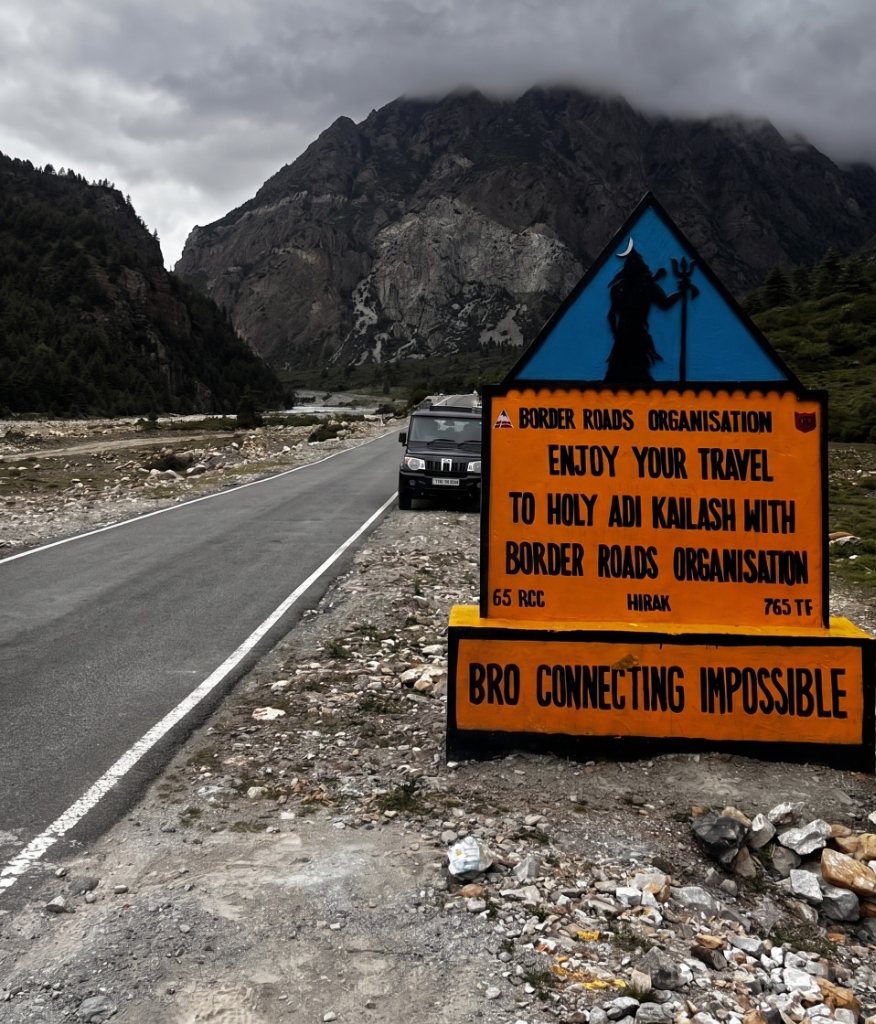
Guide Note: The Adi Kailash Yatra is primarily a motorable pilgrimage, not a trek. The challenge is altitude, not distance. First-time yatris complete it every season with proper preparation. Last updated: August 2026.
Adi Kailash Yatra Difficulty Level: Can Beginners Do It?
Quick Summary
The Adi Kailash Yatra is rated moderate in difficulty — it is not a technical climb, but it does involve high-altitude travel up to around 15,000 feet, long travel days on mountain roads, and short walking stretches at altitude. Beginners can do the yatra successfully with basic fitness preparation, proper acclimatization, and realistic expectations, since most of the route today is covered by vehicle rather than on foot. It is not recommended for those with serious heart, lung, or mobility conditions without medical clearance.
Is Adi Kailash Yatra Really Difficult?
This is one of the most common questions we get at Rudraansh Yatra, and the honest answer is: it depends on what kind of "difficulty" you're picturing. The Adi Kailash Yatra is often mentioned alongside the far more demanding Mount Kailash Parikrama in Tibet, which leads many first-time yatris to assume it requires serious trekking experience. In reality, the Adi Kailash Yatra is a very different kind of journey.
Most of the route, from Pithoragarh to Dharchula, Gunji, and onward to Jyolingkong, is now motorable. The walking sections — mainly around Parvati Sarovar and, for those who choose it, toward Gauri Kund — are short, non-technical, and manageable at a slow, steady pace. The real challenge isn't distance or terrain; it's altitude.
What Actually Makes It Challenging
High Altitude
Jyolingkong sits at roughly 14,200 feet, and the surrounding viewpoints go higher still. At this altitude, the air has noticeably less oxygen, and altitude sickness can affect even physically fit travellers if they ascend too quickly without acclimatization.
Long Travel Days
The days spent driving through winding mountain roads from Pithoragarh to Dharchula and beyond can be physically tiring, even without any trekking involved. Motion sickness and fatigue from long hours on the road are more common complaints than exhaustion from walking.
Remote, Limited Facilities
Medical facilities, charging points, and comfortable accommodation become sparser as you move deeper into the Byas Valley. This isn't "difficult" in a fitness sense, but it does require mental readiness for a more rugged travel experience than a typical holiday.
Weather Unpredictability
Conditions can shift quickly at altitude — clear skies can turn to rain or cold winds within a couple of hours, which is why layered clothing and flexibility in your itinerary matter more than raw physical strength.
Can Beginners Do the Adi Kailash Yatra?
Yes — and our guides see first-time trekkers and pilgrims complete the yatra successfully every season. That said, "beginner-friendly" doesn't mean "no preparation needed." Here's what genuinely helps:
- Basic cardiovascular fitness. A few weeks of regular walking, light jogging, or stair climbing before the trip makes a noticeable difference in how well your body handles the altitude.
- A gradual acclimatization schedule. Guides recommend spending a night or two in Dharchula or Gunji before pushing higher, rather than rushing straight to Jyolingkong.
- Realistic pacing. Walking slowly and steadily at altitude matters more than speed or stamina.
- Listening to your guide. Reporting headaches, nausea, or breathlessness early lets guides adjust the pace or itinerary before it becomes a bigger issue.
Who Should Be Cautious
The yatra is generally accessible, but certain groups should consult a doctor and get medical clearance before booking:
- Those with pre-existing heart or respiratory conditions
- Individuals with a history of severe altitude sickness on previous high-altitude trips
- Pregnant travellers
- Anyone with mobility limitations that would make short uneven walks difficult
Senior citizens can and do complete the yatra, but it's worth reading our dedicated guide on Adi Kailash Yatra safety for senior travellers before planning.
Guide Tips for First-Timers
Our guides consistently share a few pieces of advice specifically for beginners:
- Start hydrating and reducing caffeine/alcohol intake a few days before the trip, not just during it.
- Don't skip meals during travel days, even if appetite drops at altitude — this is common and manageable with light, frequent eating.
- Carry a personal first-aid kit and inform your guide of any medication you're on.
- Trust the itinerary's built-in acclimatization days (see our 5 essential pre-trip checklist) rather than trying to "rush ahead" of the group.
Frequently Asked Questions
Q1. Is the Adi Kailash Yatra difficult for beginners?
No, it is considered moderate rather than difficult. Most of the route is covered by vehicle, and the walking sections are short and non-technical. The main challenge is adjusting to high altitude, not physical exertion.
Q2. What is the highest altitude reached during the Adi Kailash Yatra?
The yatra reaches approximately 14,000–15,000 feet near Jyolingkong and the Om Parvat viewpoint.
Q3. Do I need prior trekking experience for Adi Kailash Yatra?
No prior trekking experience is required. Basic fitness, such as regular walking or light cardio in the weeks before the trip, is enough preparation for most travellers.
Q4. Is the Adi Kailash Yatra safe for senior citizens?
Many senior citizens complete the yatra successfully each year, provided they get medical clearance beforehand and follow a gradual acclimatization schedule. Those with heart or respiratory conditions should consult a doctor first.
Q5. How can I prepare for altitude sickness on this yatra?
Gradual acclimatization, staying well-hydrated, avoiding rapid ascent, and informing your guide immediately of any symptoms are the most effective ways to manage altitude sickness risk.
Q6. How is Adi Kailash Yatra different from the Mount Kailash Parikrama in Tibet?
The Mount Kailash Parikrama involves multiple days of continuous high-altitude trekking. The Adi Kailash Yatra, by contrast, is largely a motorable route with only short walking stretches, making it significantly more accessible for beginners.
Conclusion
The Adi Kailash Yatra is best described as an accessible high-altitude pilgrimage rather than a demanding trek. With basic fitness, sensible acclimatization, and guidance from experienced local guides, beginners can complete this journey comfortably and focus on what matters most — the experience itself.
If you're planning your first Adi Kailash Yatra and want a fitness checklist or personalised itinerary advice, reach out to Rudraansh Yatra. Our guides are based in Pithoragarh and help first-time yatris prepare confidently for the journey ahead.
| Location | Altitude (Feet) | Altitude (Metres) | Arrival Mode |
|---|---|---|---|
| Pithoragarh | 5,548 ft | 1,690 m | Bus / Taxi |
| Dharchula | 2,996 ft | 915 m | 4x4 Bolero |
| Gunji | 10,509 ft | 3,203 m | 4x4 Bolero (acclimatize overnight) |
| Jyolingkong | 14,200 ft 🔺 | 4,330 m | 4x4 Bolero + short walk (1–2 km) |
| Parvati Sarovar | 14,600 ft 🔺 | 4,450 m | Walk / Mule from Jyolingkong (2 km) |
🏔️ Planning Your First Adi Kailash Yatra?
Our guides at Rudraansh Yatra — based physically in Pithoragarh — help first-time yatris with personalised fitness plans, acclimatization schedules, ILP documentation, and gear checklists. Call or WhatsApp us for a free pre-yatra consultation.
Also read: Complete Packing List · Senior Citizens Safety Guide · Best Time to Visit