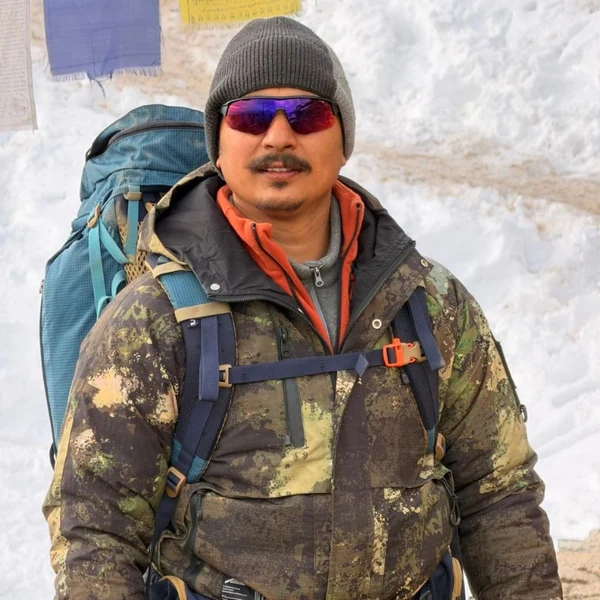
Adi Kailash Yatra for Solo Female Travellers | Safety Guide 2026
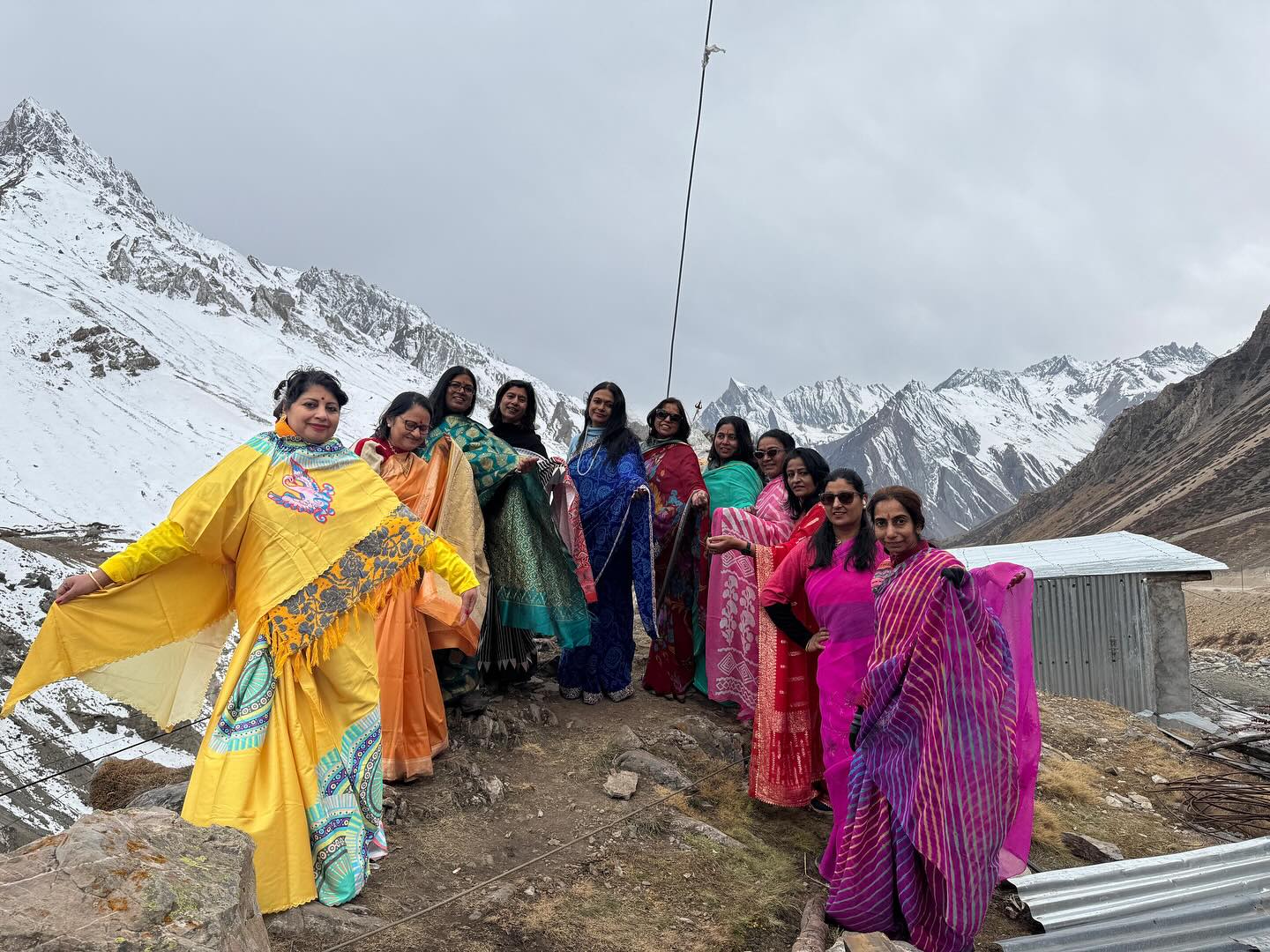
Quick Summary
Short answer: yes, we think it's safe. The Adi Kailash route runs through a restricted border zone watched over by the ITBP, with ID checks at multiple points along the way — so your movement is tracked in a way most treks simply aren't. But "safe" and "easy to plan alone" aren't the same thing. The real hurdles for a solo woman here are practical, not personal safety in the way you might worry about elsewhere: patchy network, basic guesthouses, long stretches without another woman around. This guide is what we'd actually tell you if you called our office and asked.
Is Adi Kailash Yatra Safe for Women Travelling Alone?
We get this question a lot, usually from women who've already decided they want to go and just need someone to talk them through the "but is it actually okay" part.
Here's the thing about this particular route — it isn't some quiet, unregulated trail where you're on your own for days at a stretch. It's a border security zone. Every single traveller, man or woman, gets checked at ITBP posts between Dharchula and Gunji, permit in hand. That sounds bureaucratic, and it is, but it also means someone official knows exactly where you are at almost every point of the journey. That's not nothing.
What we won't do is pretend the worry is baseless just to sell you a trip. The honest challenges aren't about harassment or crime risk the way you might picture in a city — they're duller than that, and more logistical. Your phone stops working properly past Dharchula. The guesthouses are basic — think shared bathrooms, not boutique stays. And yes, there will be stretches where you're the only woman in the room. None of that is dangerous. It just needs planning for.
What Actually Works in Your Favour Here
- You're being checked on, constantly. ITBP and local police posts log your presence and movement the whole way. It's a hassle, sure, but it's also a safety net most solo trips don't come with.
- You're never really alone on the route. This is an active yatra corridor during the season — there's a steady trickle of other pilgrims, porters, and army personnel around. It's not the kind of remote where you go hours without seeing another soul.
- The guesthouse owners have seen it all before. Local operators run this stretch constantly, and the same handful of guesthouses in Gunji and Jyolingkong host yatris all season. Most owners have already put up dozens of solo women travellers — you won't be their first, and it shows in how they handle it.
What We'd Actually Tell You to Do
Book a group departure instead of going fully independent. This is the single biggest piece of advice we give. You still get to travel on your own terms — nobody's forcing you into small talk the whole way — but you've got other yatris and a guide around for the parts that are genuinely easier shared: the vehicle, the meal stops, the "wait, is this the right turn" moments.
Don't just book the first operator that shows up in search results. Ask who your guide actually is. Ask if the operator is registered — MSME or NIDHI certification is worth checking for. And ask, plainly, whether they've had solo women on their trips before. A operator based right there in Pithoragarh, who isn't just reselling someone else's itinerary, usually knows the guesthouse owners personally. That relationship matters more than people realize until they need it.
Tell someone at home your actual plan, not just "I'm going to Uttarakhand." Network gets thin fast once you're past Dharchula. Send your day-by-day itinerary and your guide's phone number to a family member or friend before you lose signal — not after.
Keep a physical copy of your permit and ID on you, always. It's mandatory at checkpoints anyway, but it's also just the fastest way for anyone to help you if something goes sideways.
Pack like the bathrooms will be shared, because they will be — except on a few specific dates. Gunji and Jyolingkong aren't offering private ensuite anything, and most days you'll be sharing facilities with the rest of the group. That said, we do arrange separate, female-only bathing facilities on our 30 September, 12 October, and 15 October group departures — so if that's a priority for you, those three dates are worth building your plans around. Outside of those specific departures, carry a small door latch (see our complete Adi Kailash packing list) you can fit yourself and a headlamp for late-night trips down the hall.
Don't push through altitude symptoms just to keep pace (read our difficulty level guide) with the group. This one isn't really gender-specific, but we see it happen more with solo travellers who don't want to feel like they're "slowing everyone down." Don't do that. Say something the moment a headache or nausea shows up — every guide worth their salt would rather slow down than deal with a real problem later.
Questions Worth Asking Before You Book
- Will there be other solo women on this exact departure date?
- Who's the guide, specifically — and have they led women travelling alone before?
- What are the sleeping arrangements at each stop? Shared rooms, private rooms, mixed groups?
- Is there a woman on the ground team you could call directly, if that'd make you more comfortable?
If an operator answers these quickly and specifically, that's usually a good sign. If you get vague reassurance instead of actual answers, that tells you something too.
Frequently Asked Questions
Q1. Is the Adi Kailash Yatra safe for women travelling alone?
Yes, generally. The route runs through a monitored border security zone with ITBP checkpoints, which adds accountability. The main challenges are logistical — limited network coverage and basic accommodation — rather than safety in the conventional sense.
Q2. Should solo female travellers join a group departure?
It's strongly recommended. Group departures give solo travellers companionship and shared logistics (transport, meals, guide support) while still allowing them to travel independently of family or friends.
Q3. Is mobile network available throughout the route?
No. Network becomes patchy or unavailable beyond Dharchula in several stretches. It's important to share your itinerary with someone at home before losing signal.
Q4. What kind of accommodation should solo women expect?
Basic guesthouses with shared facilities in Gunji and Jyolingkong, most days. Comfort levels drop as you move deeper into the valley, which is worth mentally preparing for regardless of group size.
Q5. Are there any departures with separate bathing facilities for women?
Yes. Rudraansh Yatra arranges female-only bathing facilities on select group departures — currently 30 September, 12 October, and 15 October. If this matters to you, plan your travel dates around one of these departures.
Q6. How do I choose a trustworthy operator for a solo trip?
Look for a locally based, registered operator (MSME/NIDHI certification is a good indicator), ask specific questions about guide experience with solo travellers, and confirm sleeping arrangements before booking.
Conclusion
If you're on the fence, here's the honest version: the border-zone checkpoints, the steady stream of other yatris, the fact that everyone's tracked through the route — it all adds up to one of the more monitored high-altitude journeys you could pick to do alone. The real work isn't convincing yourself it's safe. It's picking the right departure date, the right operator, and asking the slightly awkward questions upfront instead of hoping it'll work out.
If you're thinking about doing this yatra solo, just call us. We'll walk you through our upcoming group departures, tell you honestly who your guide would be, and answer whatever's actually on your mind before you commit to a date.
💬 Still Have Questions?
Call or WhatsApp Dheerendra Rautela at Rudraansh Yatra directly — we're based in Pithoragarh and answer every question honestly, including the ones you might feel awkward asking a city-based agent.
Also read: Is Adi Kailash Yatra Safe for Senior Citizens? · 2026 Yatra Status & Reopening