
Lipulekh Pass Trade Resumes August 1, 2026 After 7-Year Gap | Rudraansh Yatra
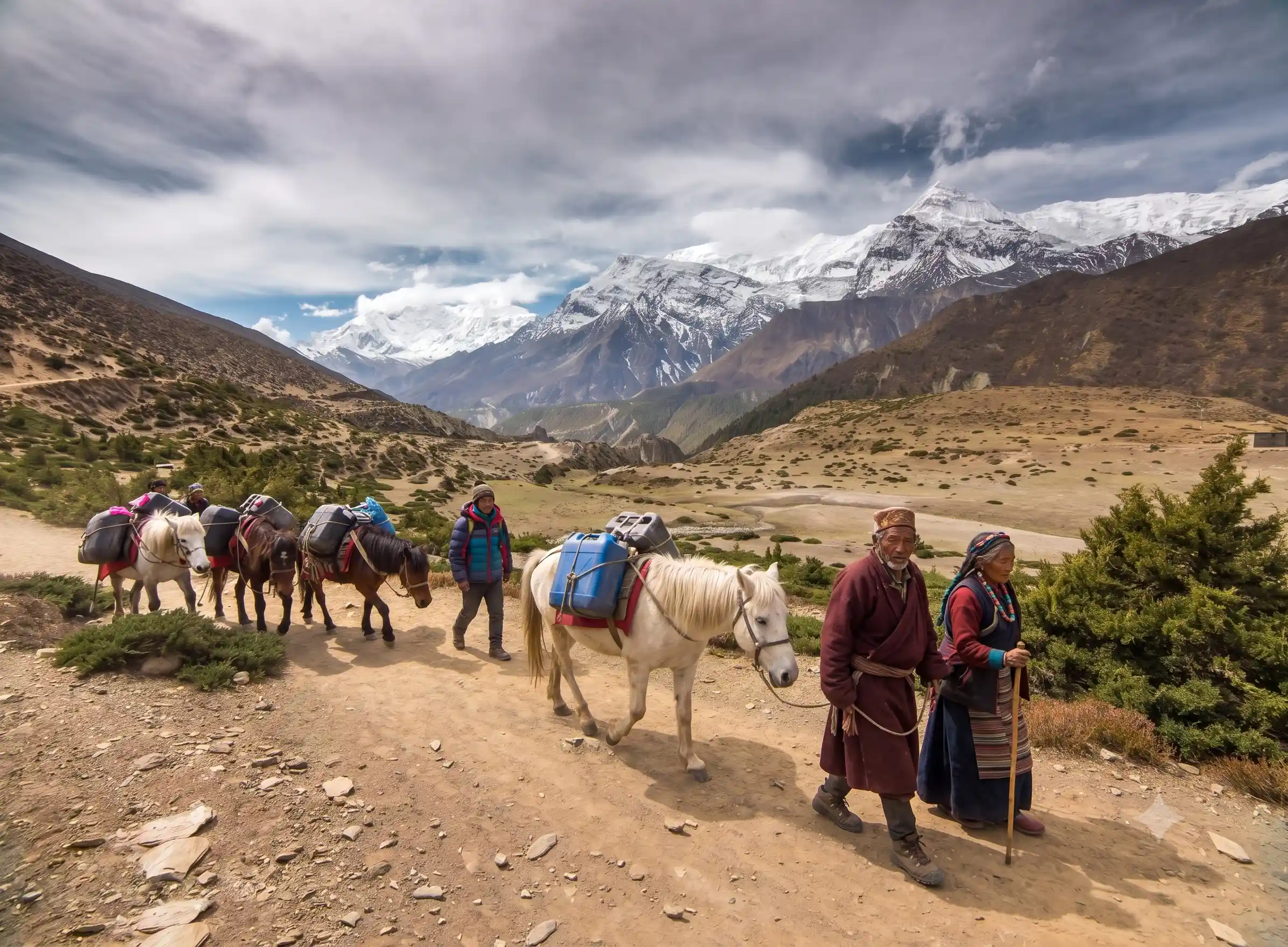
Lipulekh Pass Trade Finally Resumes on August 1, 2026 — Here's What Changed
By Dheerendra Rautela | July 26, 2026
Three weeks ago, we reported that 28 Indian traders had been turned back from the Gunji border post, unable to cross into Tibet after China withheld final clearance at the last moment. Nearly 3,000 quintals of jaggery and sugar candy sat abandoned near the border, exposed to the monsoon, while traders waited for an answer that never came in time.
That answer has now arrived. Border trade across the Lipulekh Pass is officially resuming on August 1, 2026, ending a seven-year suspension that stretched back to the pre-Covid trading season of 2019.
What Triggered the August 1 Restart
The delay in July came down to infrastructure, not intent. Chinese authorities said the market and warehouse facilities at Taklakot (Purang) were still under construction and not ready to receive Indian merchants, even though the Indian side had completed its own preparations at Gunji. With the Tibetan facilities now reportedly ready, the two sides have cleared the path for trade to begin.
Passes have been issued to 113 registered traders, along with a matching number of assistants, for the 2026 season. The trading window will run from August 1 through October, when the high-altitude pass typically closes for winter.
A Season Already Behind Schedule
Border trade at Lipulekh normally runs from June to September, with July historically the busiest month of the season. This year's traders are starting a full month late, and the impact is already being felt on the ground. Several traders have voiced concern that they may be left with unsold stock of nearly 40 percent, since the delay also means fewer Tibetan buyers are expected to travel to Taklakot for the shortened window.
Even so, for a route that has sat shut since 2019, a shortened season is still far better than another year of silence.
What Traders Are Carrying Across
The trade at Lipulekh runs on a barter tradition that goes back decades. Indian traders are expected to carry:
- Rock sugar and jaggery
- Cosmetics and daily-use items
- Textiles and local produce
And return from Taklakot with:
- Raw wool and pashmina
- Readymade woollen jackets
- Footwear and other Tibetan handicrafts
The Bigger Picture: Three Passes, One Diplomatic Reset
Lipulekh isn't reopening in isolation. It's one of three Himalayan trade points — alongside Shipki La in Himachal Pradesh and Nathu La in Sikkim — that India and China agreed to revive following the August 2025 meeting between External Affairs Minister S. Jaishankar and China's Wang Yi in New Delhi. That agreement itself followed the easing of the military standoff in eastern Ladakh, which had kept the border trade frozen well past the pandemic.
It's worth noting that the resumption has also reignited Nepal's long-standing objection to bilateral India-China arrangements over the Kalapani-Lipulekh-Limpiyadhura region, which Kathmandu maintains is Nepali territory. India's Ministry of External Affairs has reiterated that border trade through Lipulekh has continued since 1954 and rejected Nepal's expanded territorial claims as unsupported by historical evidence, while remaining open to dialogue. That dispute is unlikely to affect this season's trading calendar, but it remains part of the wider story of this frontier.
Why This Matters Beyond Trade
For those of us based in Pithoragarh, Lipulekh is more than a customs checkpoint — it's the same corridor that carries pilgrims toward the Adi Kailash and Om Parvat Yatra, and further on, the Kailash Mansarovar route into Tibet. Trade and pilgrimage share the same road, the same weather windows, and often the same administrative approvals. When the pass stays shut, both commerce and the Yatra season feel the ripple effect. When it reopens — even a month late — it signals that the wider frontier is opening back up too.
For the traders of Dharchula and Gunji, August 1 marks the end of a long, uncertain wait. For travellers watching the region, it's another sign that the Kumaon Himalaya's remote border villages are slowly reconnecting with the world beyond the pass.
Frequently Asked Questions
When did Lipulekh Pass trade resume in 2026?
Border trade through Lipulekh Pass officially resumed on August 1, 2026, after being delayed since early July due to incomplete infrastructure on the Tibetan side at Taklakot.
Why was the trade delayed in the first place?
Chinese authorities withheld final clearance in July 2026 because the designated market and warehouse facilities at Taklakot (Purang) were still under construction, forcing 28 Indian traders to return without crossing.
How many traders got passes for the 2026 season?
113 registered traders, along with an equal number of assistants, were issued trade passes for the 2026 Lipulekh season.
How long will the 2026 trading season run?
The season runs from August 1 through October, roughly a month shorter than the usual June-to-September window due to the delayed start.
What goods are traded across Lipulekh Pass?
Indian traders typically carry jaggery, rock sugar, and cosmetics into Tibet, returning with raw wool, pashmina, woollen jackets, and footwear.
Does the Lipulekh trade affect the Adi Kailash or Kailash Mansarovar Yatra?
Yes. The pass and its surrounding infrastructure serve both traders and pilgrims, so disruptions or resumptions in border trade often mirror the conditions affecting Yatra routes in the same season.
Planning a journey through the same Himalayan frontier this trading season? Explore our Adi Kailash & Om Parvat Yatra from Pithoragarh, or read our earlier coverage on why Indian traders were denied clearance in July.