
Adi Kailash Yatra 2026 Suspended: SDM Dharchula Closure & September 15 Reopening Date
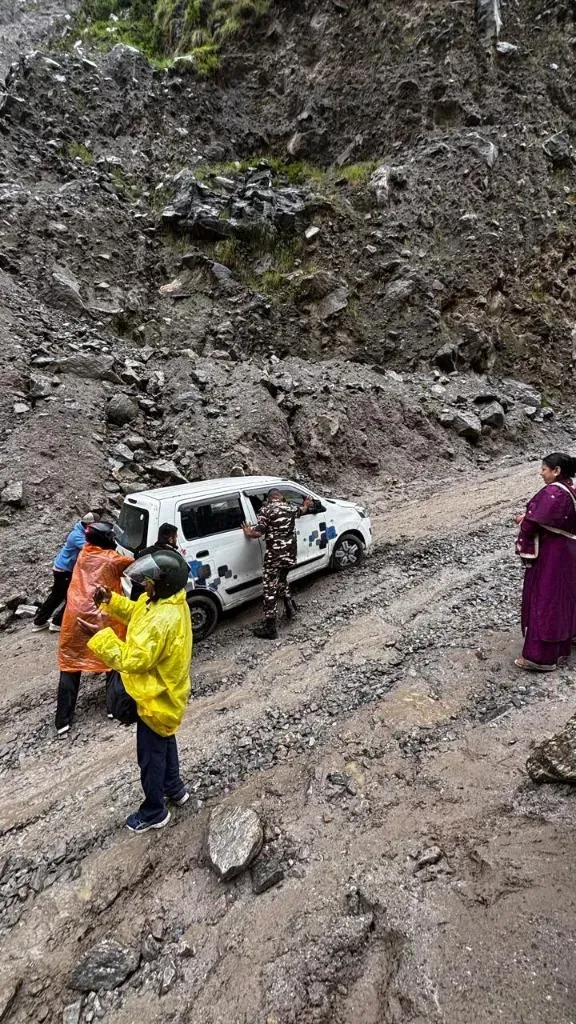
On July 3, 2026, the SDM office in Dharchula formally suspended all Adi Kailash Inner Line Permits. By that evening, more than 40 groups with confirmed bookings had called our Pithoragarh office asking what happens next.
The reason is straightforward: the Dharchula–Gunji border highway took serious damage from monsoon-triggered landslides. The administration made the right call — shut the route until conditions are safe. No new ILPs will be issued until the Border Roads Organisation (BRO) clears and inspects the highway. The official reopening date is September 15, 2026 (see full 2026 status update).
Here is the official situation and what it means for your booking: For pilgrims and operators currently holding active bookings, the closure represents a necessary pause in a record-breaking travel year—over 52,000 pilgrims successfully crossed the checkposts between May and June alone. The route is scheduled to remain closed through the peak of the Himalayan rainy season, with official processing and travel slated to resume after September 15, 2026.
The Logistical Reality of the Dharchula Permit FreezeThe suspension is an operational necessity dictated by the topography of the Kali River valley. When the monsoon hits the Kumaon Himalayas, the newly motorable roads past Tawaghat face frequent rockfalls and debris flows, turning narrow mountain passes into high-risk zones.
Rather than managing rolling daily blockages that strand hundreds of travelers in remote staging villages like Gunji or Budhi, the local administration uses the ILP framework as a circuit breaker. By halting permits at the source in Dharchula, the system ensures that inbound traffic drops to zero before the worst of the July and August downpours compromise the highways maintained by the Border Roads Organisation (BRO).
For travelers, this means all current offline and online applications via the Pithoragarh portal are paused. Existing registrations for dates falling within the monsoon window will need to be systematically rescheduled or canceled, as border checkpoints like Malpa and Central ITBP nodes will not honor permits during this closure.
Evaluating the Post-Monsoon Window: A Strategic PivotWhile a sudden cancellation disrupts immediate travel plans, it forces a shift toward what many seasoned high-altitude practitioners consider the best time to visit Adi Kailash. The post-monsoon phase offers a radically different environment than the early summer months.
[July - August: Peak Monsoon] ➔ [Sept 1 - Sept 15: Recession Zone] ➔ [Sept 16 - Late Oct: Peak Clarity]
Understanding the environmental shift between the two primary open phases explains why a late-season pivot can be highly advantageous:
| Operational Metric | Pre-Monsoon Phase (May – June) | Post-Monsoon Phase (Sept 16 – Late October) |
|---|---|---|
| Atmospheric Visibility | High morning clarity; afternoon haze common due to dust. | Exceptional, crisp post-rain atmospheric clarity across long distances. |
| Om Parvat Visuals | Heavy snow cover filling the "ॐ" grooves completely. | Snow melts out of the rock ridges, leaving the distinct sacred symbol sharply defined. |
| Terrain Stability | High risk of residual snow blockages on high passes. | Dry trails, settled hillsides, and normalized river levels post-monsoon. |
| Thermal Profile | Mild daytime temperatures; nights hovering around freezing. | Significantly colder daytime profiles; sub-zero temperatures at Jolingkong base camp. |
If your itinerary has been interrupted by the current administrative closure, managing the logistics correctly now prevents long-term booking losses (see our cost & rescheduling budget guide). The transition back to an active travel status requires three specific actions:
Decline Mid-Monsoon Exceptions: Do not attempt to bypass the Dharchula checkposts or negotiate local entry through unverified bypass loops. The security presence along the adi kailash yatra pithoragarh circuit is absolute, and traveling without an authorized ILP during an official administrative closure violates border transit laws.
Target the Late September Window: Coordinate with your ground operators to target departure slots between September 18 and October 10. This window provides the ideal balance between post-monsoon sky clarity and manageable night temperatures before early winter snowfall locks down the valley.
Update Medical Clearances: Remember that the mandatory government medical certificates possess a strict validity window. If your trip is deferred past September 15, you will need to undergo a fresh cardiovascular and respiratory screening at the designated government hospital before your permit can be re-authorized by the SDM office.
Strategic SummaryThe temporary closure of the Adi Kailash circuit is not a cancellation of the 2026 season, but a calculated operational pause to protect human life. By transitioning your timeline to the autumn window, you exchange the volatile, landslide-prone conditions of July for the sharpest mountain views of the year. Treat this delay as a necessary adaptation to the high-altitude reality of the Kumaon Himalayas.
Frequently Asked Questions Can I keep my current Inner Line Permit for the post-September 15 window?No. Permits are issued for explicit, date-bound itineraries aligned with medical clearances and security tracking. Because the yatra is officially closed by the SDM Dharchula, all permits within the monsoon block are voided, and you must file a fresh or amended application once the permit window reopens after September 15.
Will the entire route up to Jolingkong be accessible immediately on September 16?The resumption of the yatra depends on the final safety clearance issued by the district administration and the BRO. While the official target for restarting permit processing is right after September 15, the actual movement of vehicles depends on how quickly the post-monsoon road repairs are completed along the primary valley highway.
Is the post-monsoon phase physically harder than the summer phase?The physical trekking distance remains identical, but the climate is noticeably more demanding. The post-monsoon air is crisper and drier, and nighttime temperatures at high-altitude bases like Gunji and Jolingkong drop significantly lower than they do in June, requiring a much more robust heavy-layer clothing system.
How does this weather suspension affect the Om Parvat view?The suspension covers the entire unified border circuit of the Vyas Valley, meaning access to both the Adi Kailash base camp at Jolingkong and the Om Parvat viewing point at Nabhidhang is completely blocked until the administrative suspension is lifted.
📞 Your Booking is Affected? We'll Help You Reschedule — Free of Charge
Rudraansh Yatra is a NIDHI-certified ground operator physically based in Pithoragarh. We track the Adi Kailash route status, SDM ILP issuance dates, and BRO road clearance announcements daily. If your trip is caught in the monsoon closure window, call or WhatsApp us — we'll reschedule your ILP, medical certificate, and transport slots for the September–October 2026 window at no extra charge.
Also read: Full 2026 Monsoon Status & Reopening Updates · Senior Citizens Guide · ILP Permit Step-by-Step